
Intensive Care Training at St. Bartholomew’s Hospital
At St. Barts we offer a wide range of training opportunities in intensive care medicine (ICM). This includes stand-alone fellow, alternative accreditation pathway and formal faculty of intensive care medicine (FICM) UK training scheme posts in ICM. We also provide general intensive care training for doctors on the internal medicine training scheme.
Dependent on the post, time can be spent on both our medical intensive care unit and cardiothoracic surgical intensive care units to gain a breath of experience whilst training with us. Those training with us will gain valuable experience in the care of patients following both elective and emergency cardiothoracic surgery or interventional cardiology procedures, which includes patients undergoing primary PCI and other interventions in our busy heart attack centre. We also look after patients with complex cardiology conditions, including adult congenital heart disease and cardiomyopathies, respiratory and haematology patients, as well as other acute admissions and ECMO referrals.
See below for more details on the range of training opportunities we offer.
Stage 2 – Cardiothoracic intensive care training for the intensive care training programme
This three-month rotation provides comprehensive exposure to cardiothoracic critical care within a high-volume surgical centre. Trainees manage postoperative patients following complex cardiac and thoracic procedures, including valve surgery, CABG, aortic surgery, and thoracic operations. The rotation offers structured experience in advanced haemodynamic assessment, including pulmonary artery catheter–guided monitoring, and the management of cardiogenic shock arising from acute myocardial infarction, endocarditis, and other acute cardiac conditions. Trainees gain direct involvement in mechanical circulatory support, including VA ECMO, intra-aortic balloon pump, and Impella. Working within a consultant-led multidisciplinary team, they develop decision-making skills for high-acuity cardiothoracic care and participate in teaching, simulation, and case-based learning.
Special Skills Year in Cardiothoracic Intensive Care for the Intensive Care training programme
The Special Skills Year (SSY) in Cardiothoracic Intensive Care provides 12 months of advanced training for doctors aiming to develop consultant-level expertise in this subspecialty. Building on the skills gained during Stage 2 training, the SSY offers sustained exposure to complex perioperative care, the management of cardiogenic shock, major surgical complications, and prolonged organ support. Training doctors take a leading role in the daily running of the cardiothoracic ICU, contribute to multidisciplinary decision-making, and refine their proficiency in advanced haemodynamic assessment, mechanical circulatory support, and the care of high-risk surgical and interventional cardiology patients. The programme consolidates the depth of knowledge and clinical judgement required for independent consultant practice in cardiothoracic intensive care.
Special Skills Year in Echocardiography for the Intensive Care training programme
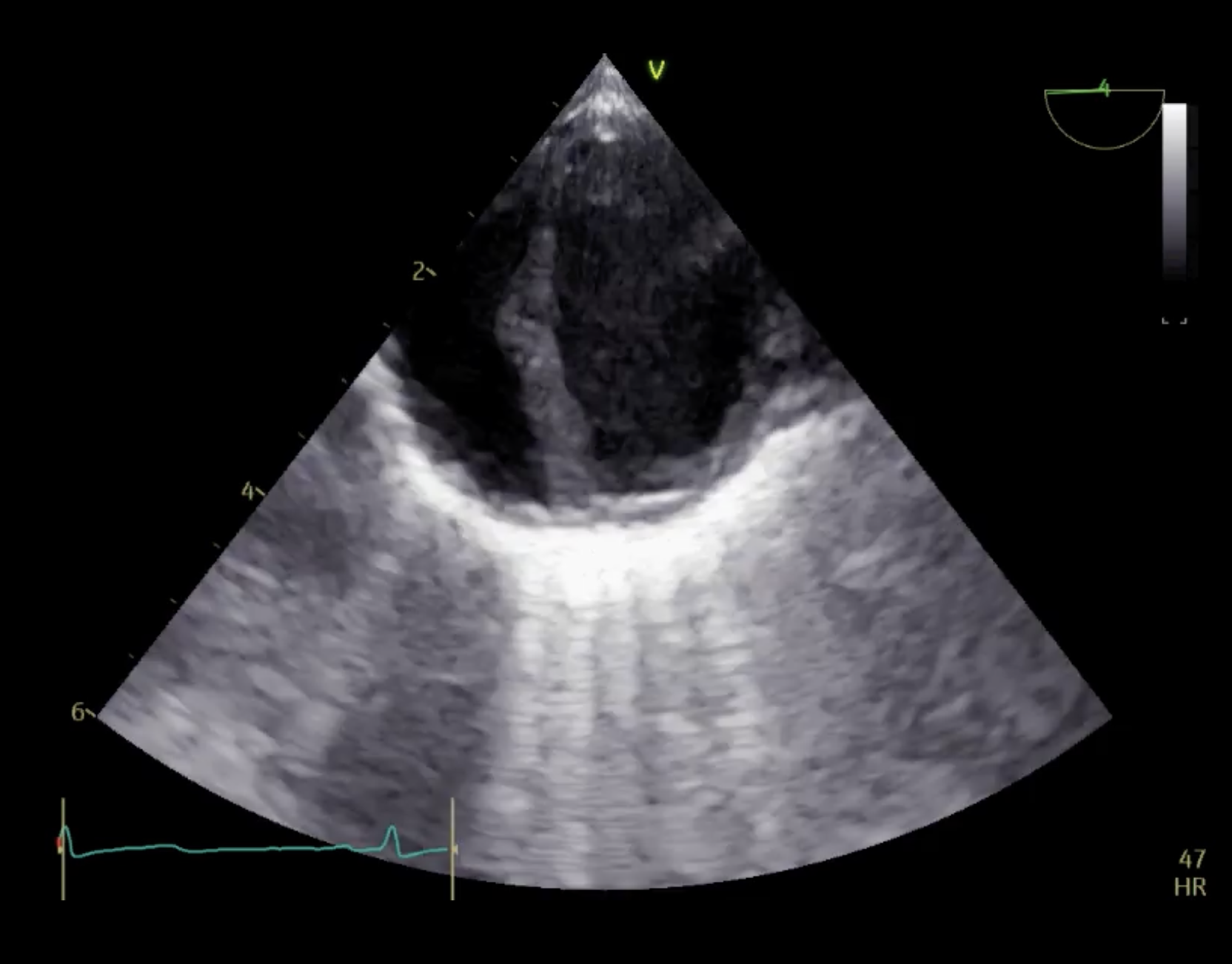
The Special Skills Year in Echocardiography offers focused, in-depth training in advanced transthoracic echocardiography (TTE), with optional exposure to transoesophageal echocardiography (TOE) depending on the chosen accreditation pathway. The aim is to develop high-level technical and interpretive skills in TTE and integrate echocardiographic findings into the management of critically ill patients. Trainees receive structured teaching, supervised scanning, and regular feedback, and are expected to work towards an advanced level of echocardiography accreditation suitable for independent senior practice in intensive care. j
Stage 2 - Cardiothoracic Intensive Care Training for the ICM Alternative Pathway (formerly CESR)
This three-month rotation provides the cardiothoracic intensive care experience required for clinicians pursuing the ICM Alternative Pathway. It mirrors the structure and clinical depth of the National ICM programme Stage 2 placement, offering supervised management of post–cardiac surgery patients, acute cardiogenic shock, and complex multi-organ failure. Training doctors gain hands-on experience with advanced haemodynamic monitoring, including the use of a pulmonary artery catheter, and mechanical circulatory support, such as VA ECMO, intra-aortic balloon pump, and Impella. The rotation supports portfolio evidence through structured teaching, consultant-led supervision, and opportunities to demonstrate competence across the breadth of cardiothoracic intensive care practice.
Stage 2 – General Intensive Care Medicine for the Anaesthesia Alternative Pathway (formerly CESR)
This three-month placement provides broad, high-acuity experience in general intensive care medicine for clinicians pursuing the Anaesthesia Alternative Pathway. Training doctors manage a wide range of medical and surgical conditions, including sepsis, respiratory failure, renal replacement therapy, trauma, and complex multi-system disease. The rotation includes significant involvement in palliative care, difficult conversations, and end-of-life decision-making, as well as close family communication during clinical uncertainty. Working within a multidisciplinary team, trainees strengthen core ICU procedural skills and accumulate portfolio evidence aligned with Alternative Pathway requirements.
Follow up after critical illness training Fellowship
This fellowship provides focused training in the long-term recovery of patients following critical illness. Fellows take an active role in multidisciplinary post-ICU clinics, assessing physical, cognitive, and psychological sequelae and contributing to individualised rehabilitation plans. The programme offers direct experience in managing fatigue, neuropathy, nutritional challenges, and the interaction between mental and physical health. Fellows also develop skills in palliative care, navigating difficult discussions, and supporting patients and families through the uncertainties of prolonged recovery. In addition to clinical responsibilities, fellows contribute to the organisation, development, and evaluation of the follow-up service, with opportunities for audit and quality improvement. The fellowship is designed to prepare clinicians for consultant practice in Intensive Care Medicine with a particular interest in recovery after critical illness and potential leadership roles in post-ICU services
Extracorporeal Life Support training Fellowship
This fellowship provides focused training in the management of patients requiring extracorporeal life support, with emphasis on veno-venous and veno-arterial ECMO. Fellows gain hands-on experience in patient selection, cannulation principles, circuit management, and troubleshooting physiological or technical issues. The programme includes involvement in ECMO retrievals, multidisciplinary decision-making, and simulation-based training aligned with ELSO standards. In addition to clinical duties, fellows contribute to the administration of the ECLS service, including coordination, pathway development, and audit activity. The fellowship prepares clinicians for consultant practice in Intensive Care Medicine with an interest in ECLS and potential leadership roles within centres delivering advanced cardiopulmonary support.
Transfer of the Critically Ill training Fellowship in collaboration with the ACCESS transfer network
This fellowship provides structured training in the safe transfer of critically ill patients across the regional network. Fellows spend the first three months embedded within the ICU, following a curriculum aligned with Stage 2 cardiothoracic ICM training to consolidate skills in stabilisation, advanced organ support, and acute decision-making. They then rotate to the ACCESS transfer service, gaining experience in retrieval medicine, transport physiology, and the practical challenges of moving high-acuity patients between centres. ICU-acquired skills directly complement the competencies required for effective critical care transfers. The programme includes involvement in case coordination, governance, and multidisciplinary review. The overarching aim is to prepare clinicians for consultant practice in Intensive Care Medicine with a specialist interest in transfer medicine and potential leadership roles in retrieval services.
General Intensive Care Training as part of the Internal Medicine Training programme (IMT)
This three-month placement provides IMT training doctors with structured exposure to the assessment and initial management of acutely unwell patients in a high-acuity setting. They can expect to gain experience in recognising deterioration, initiating appropriate organ support, and delivering evidence-based care under supervision. The rotation develops confidence in managing respiratory, cardiovascular, and renal failure, and strengthens skills in non-invasive ventilation, basic airway management, and invasive monitoring. Training doctors participate in daily multidisciplinary ward rounds, simulation, and structured teaching, building a strong foundation for future practice in acute and general internal medicine.